10-Point Checklist for a Cosy Autumn Living Room Refresh
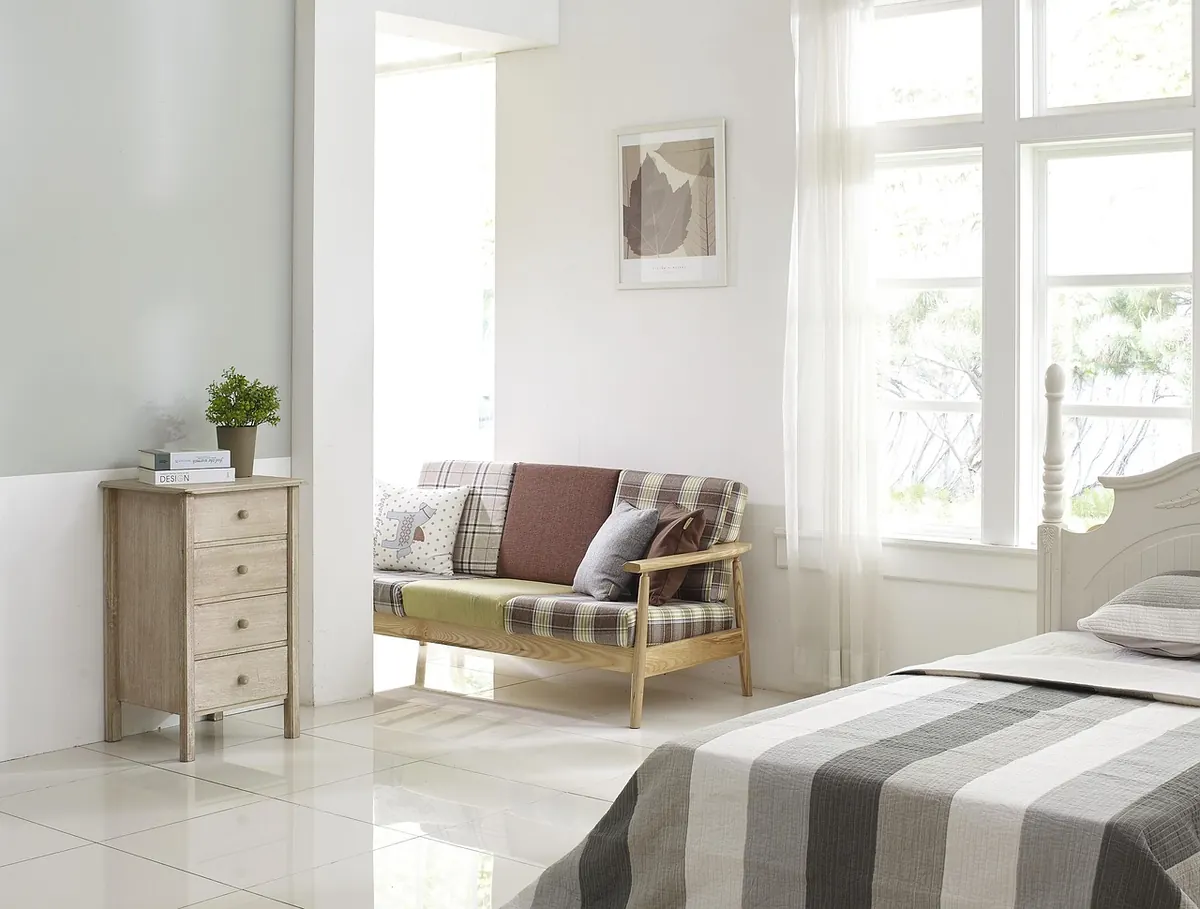
Autumn reaches the sitting room before it reaches anywhere else. One evening the light goes amber at half four, you reach for a cardigan, and the room you were perfectly happy with in July suddenly looks a little bare. Nothing needs replacing. What it needs is a shift: heavier textures, warmer light, and a few layers you can peel back when the weather turns mild again.
Work through the checklist below over a weekend rather than a fortnight, starting with the things you touch, then the things you see, then the things you smell.
Start with the textiles you actually touch
Textiles do most of the seasonal work in a living room, and they do it cheaply. A wool or brushed-cotton throw over the arm of the sofa, two cushion covers swapped from pale linen to velvet or corduroy, and a rug underfoot will change the temperature of a room before you have spent anything on furniture.
Think about weight. Summer fabrics are smooth and light; autumn fabrics have texture — chunky knits, bouclé, needlecord, felted wool. If your sofa is grey or cream, this is the moment to bring in rust, ochre, moss, plum or camel. Pick two of those and repeat them across the throw, the cushions and the rug so the room reads as intentional rather than collected at random.
Layer by weight, not by quantity
Three throws piled on one sofa looks like laundry day. One good throw, folded in thirds and laid across a seat, does far more. Add a second only where someone actually sits — a chair by the window, say — and keep a basket nearby for the ones that get used.
Reset the lighting now the evenings draw in
Lighting is where autumn rooms are won or lost. Overhead lights flatten a room and make warm colours look grey, and you will be relying on them far more from October onwards. Aim for three points of light at different heights: a floor lamp, a table lamp, and something low such as a candle or a small lamp on a shelf.
- Check your bulbs. Look for warm white, around 2700K or lower, rather than cool white or daylight.
- Add a dimmer plug or smart plug to the main lamp so you can drop the level as the evening goes on.
- Move a lamp within arm's reach of your usual seat, so you can read without the ceiling light on.
- Swap a bare shade for one in linen, paper or slubby cotton. It softens the glow at almost no cost.
Choose scent for a closed-up room
In summer the windows are open and scent barely matters. In autumn rooms are shut, so use less than you think. Two or three notes that work together — cedar, fig, clove, amber, smoked vanilla — are plenty. Rotate rather than blend: a candle in the hall, a diffuser by the front door, and nothing at all in the room where you eat.
If you burn candles, trim the wick to about 5mm before each lighting and let the wax pool to the edge the first time so it burns evenly. Never leave a flame unattended, keep candles clear of curtains, throws and anything else that could catch, and well away from children and pets. If anyone in the house has allergies or breathing difficulties, air the room for a few minutes daily and keep scent light.
Add transitional layers at the window and the floor
This is the unglamorous half of a cosy room, and the half that makes the biggest difference on a cold, windy evening. Heavier curtains, or a thermal lining added to the ones you already have, reduce the chill that comes off the glass. A lined curtain also dulls street noise, which matters more once the windows are shut.
On the floor, a rug over bare boards — or a second rug over a thin carpet — adds warmth underfoot and absorbs sound. A draught excluder at the living room door is unfashionable and effective. A small lidded footstool gives you somewhere to store a blanket without buying another basket.
Warm the palette without redecorating
You do not need a tin of paint to change the mood of a room. Swap the lampshade. Turn the cushions over to their warmer side, or replace covers only. Move a piece of art you have stopped seeing and put something darker and softer in its place. Add one or two materials that read as autumn — wood, brass, amber glass, terracotta — and take one cool thing away, such as a chrome tray or a bright white ceramic pot.
Fresh flowers are expensive and short-lived at this time of year. Dried stems, branches in a tall vase, or a bowl of quinces on the table do the same job and last for weeks.
Make one corner for slow evenings
Choose the corner with the least traffic: the one you walk past rather than through. Angle a chair towards the room but not the television, put a side table beside it big enough for a mug and a book, and place the light behind your shoulder rather than in your eyeline. A small basket or a lidded stool keeps the throw and the paperback together, so the corner stays usable rather than becoming a pile.
Then use it. A room that is only ever crossed on the way to the kitchen never quite feels warm, however many cushions it has.
The ten-point checklist
If you would rather work from a list, here is the whole thing in order:
- Wash and store summer cushions and light throws.
- Bring out one wool or brushed-cotton throw per seat.
- Swap two cushion covers to velvet, corduroy or a warmer colour.
- Add or reposition a rug for warmth underfoot.
- Check bulbs and switch to warm white.
- Set up three points of light at different heights, one within reach of your seat.
- Add a dimmer or smart plug to the main lamp.
- Choose one or two scents for the room and keep them light.
- Hang heavier curtains, or add a thermal lining, and block the door draught.
- Reset one surface — tray, shelf or table — with wood, brass, dried stems or fruit.
Tick them off in an hour at a time and box the summer pieces together, so they are easy to find in April. The room does not need to look entirely different so much as feel different — and most of that comes from the things you touch and the light you sit in.
Photo: manbob86 / Pixabay